
Spotify Streaming Farms
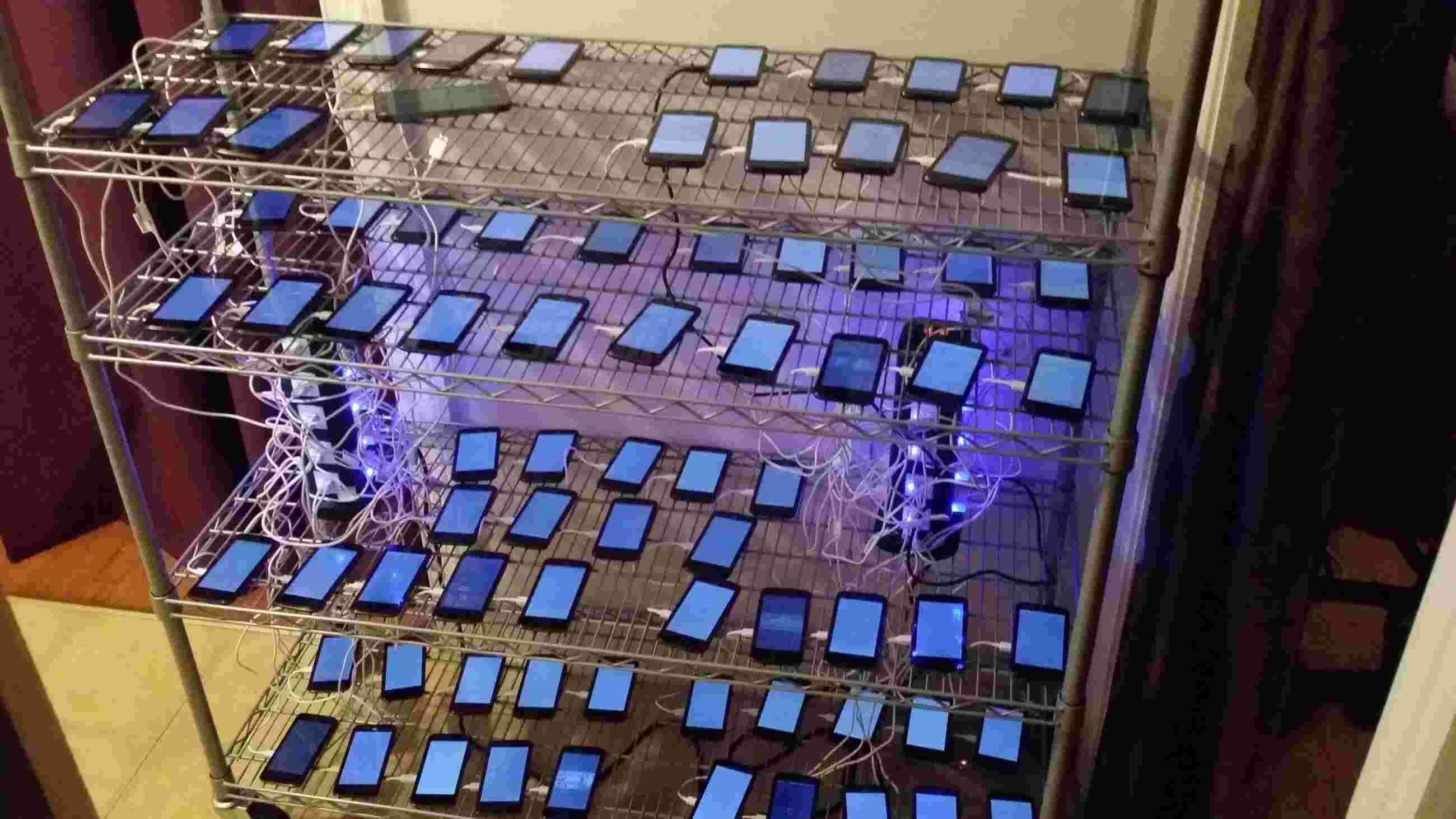
Streaming farms are setups that run fake music plays to boost stream counts and payouts. Fake stream builds a streaming farm using clusters of phones, computers, or automated accounts that loop tracks nonstop. The operation targets Spotify’s tracking and payout system through stream farming, not real audience growth.
Streaming farms skew the music economy by pushing fake plays into the royalty pool. Real artists lose money and momentum when fraudulent streams soak up payouts and chart space. Fake traction clouds the picture of what listeners enjoy, so legitimate releases fight harder for visibility.
Streaming farms create problems for labels and Spotify at the same time. Labels waste budget when reports show inflated numbers that don’t match real fan activity, ticket sales, or merch demand. Spotify deals with damaged trust, stricter fraud controls, and more takedowns as it tries to protect the platform from manipulation.
What is a Streaming Farm?
A streaming farm is a practice used to increase the number of streams or views for a particular piece of content (a song, video, or podcast). The farms operate by using automated tools, bots, or a network of fake accounts to continuously play the content, boosting its visibility and ranking on platforms (Spotify, YouTube Music, Apple Music, and others). The purpose behind stream farms is to manipulate streaming metrics and create the illusion of popularity, which helps content appear on popular playlists, charts, or in trending sections.
Hundreds or thousands of fake streams or views are generated without any real engagement from genuine listeners or viewers in a stream farm. The artificial plays do not reflect actual listener interest or engagement with the content, which is why stream farms are considered a form of manipulation. Contents are used by artists, labels, or marketers trying to gain more attention or reach through inflated numbers, even if the content itself does not have genuine audience interest.
Streaming platforms strictly prohibit the use of stream farms because they violate their terms of service. The platforms rely on accurate streaming data to determine content rankings and royalties, so any manipulation distorts their algorithms and misleads listeners. Using stream farms leads to severe penalties (removal of content, loss of streaming royalties, or account suspension). The platforms do not foster authentic growth or fan engagement as a result, while stream farms provide a short-term boost to a track's visibility.
How do Spotify Streaming Farms work?
Spotify streaming farms work by using automated systems or networks of fake accounts to increase the number of streams on specific tracks. The process involves setting up multiple bots or dummy accounts that repeatedly play a song or playlist without any actual human interaction. The streams boost the song's popularity metrics, making it appear as though the track is being played by a large number of listeners.
Operators use software or scripts that automate the streaming process to set up a Spotify streaming farm. The bots mimic real user behavior by playing songs on repeat, switching between different accounts to avoid detection. Farms use proxy servers to further hide the identity of the fake accounts and prevent Spotify from flagging the bots. The result is an inflated number of streams that push a song higher on playlists, charts, or trending sections.
The goal of a stream farm is to manipulate Spotify's algorithms, which rank songs based on play counts and engagement. Stream farms help a track appear more popular by inflating play counts, leading to more organic plays, playlist placements, and increased visibility. Spotify actively monitors for such manipulation, and accounts or tracks caught in the act of using stream farms face penalties, including removal of streams, account bans, or loss of royalty payments.
What are the Benefits of Streaming Farms?
The benefits of Streaming Farms are listed below.
- Increased Visibility: Streaming farms boost a track’s play count, making it appear more popular. The increased visibility helps a song climb playlists or trend on charts, catching the attention of listeners who would not have otherwise discovered it.
- Higher Playlist Placements: Streaming farms secure placements on popular playlists by inflating the stream numbers. Algorithms rely on the number of streams to decide which songs get added to curated playlists, which leads to organic growth.
- Better Chart Rankings: Streaming farms push songs up on streaming service charts. Higher chart positions make tracks more likely to be featured, potentially attracting a larger audience and increasing the song’s reach.
- Improved Artist Recognition: Artists benefit from the appearance of a larger following, which leads to more media attention, partnerships, and future opportunities. A higher play count creates an impression of success, leading to improved credibility in the music industry.
- Increased Revenue Potential: Tracks qualify for more playlist inclusions and greater streaming exposure by manipulating streaming numbers, resulting in more royalties. Streaming farms can contribute to higher revenue by increasing a song's reach and play count.
Why do Artists use Spotify Streaming Farms instead of Spotify Promotion?
Artists use Spotify streaming farms instead of Spotify Promotion because streaming farms offer a quick and cost-effective way to artificially boost a track’s play count and visibility. Artists rapidly increase the number of streams with a stream farm, making their song appear more popular and increasing the chances of playlist placements and chart movement. It creates the illusion of success without the need for time-consuming and expensive promotional campaigns.
Spotify Promotion involves a more genuine and organic approach, requiring a well-thought-out strategy of engaging with listeners, collaborating with influencers, and using paid advertising for wider reach. It requires a larger budget and takes longer to yield results, while Spotify Promotion can increase visibility and attract real listeners.
Artists prefer stream farms for short-term gains due to their immediate results, but Spotify Promotion offers long-term growth through real engagement and fan building. Stream farms give instant metrics, whereas Spotify Promotion provides a more sustainable and authentic path to success. The key difference is that stream farms prioritize speed and artificial metrics, while Spotify Promotion focuses on real, organic growth through sustained effort.
What makes Fake Streams so tempting to New Artists?
Fake streams are tempting to new artists because of the pressure to gain attention quickly in a crowded music market. Building credibility takes time when starting out, and the idea of boosting streams artificially seems like a shortcut to success. An artist looks more established with high stream numbers, which lead to being added to popular playlists, securing collaborations with established artists, or even getting noticed by record labels.
New artists without significant marketing budgets, fake streams create an illusion of popularity and success, accelerating their career in a highly competitive environment. Being able to show impressive numbers provides a way to stand out in a world where algorithms and streaming charts heavily influence what gets discovered. The allure of appearing on high-traffic playlists like "New Music Friday" or "Today's Top Hits" is a driving factor, as the placements lead to significant increases in real, organic plays.
The strategy comes with major risks. Fake streams don’t translate into genuine fan engagement or long-term growth. It fails to establish a real fanbase that will continue to support the artist over time while it pushes a track up the charts temporarily. Record labels and industry professionals are increasingly aware of such practices, and being caught results in losing credibility, facing penalties from streaming platforms, and damaging an artist’s reputation. Relying on fake streams doesn’t teach an artist how to build a loyal following, something that’s essential for sustained success.
Do Streaming Farms actually work?
Yes, streaming farms actually work in the short term. Streaming farms quickly boost the number of streams or views on a particular track, making it appear more popular than it is. The artificial play counts push a song up on charts, help it gain playlist placements, and attract attention from media or potential business partners. The immediate visibility is tempting for new artists when facing the pressure to gain traction quickly in a competitive music industry.
Streaming farms achieve farming by using bots or fake accounts that repeatedly play a song or video. The streams, though not from real listeners, still count towards the platform's algorithms that determine a song’s popularity. It leads to short-term benefits (being featured on high-traffic playlists or gaining more followers), since streaming platforms reward tracks with higher play counts by promoting them further.
Streaming farms don’t offer any long-term value. Farming creates an illusion of popularity that doesn’t translate to actual fan engagement. Bots aren’t likely to connect with it on a deeper level when real listeners discover the song, as the initial boost was artificial. Platforms like Spotify, YouTube Music, and Apple Music actively monitor for suspicious activity like fake streams. Streaming farms result in penalties once detected, such as the removal of streams, account bans, or content being taken down.
Are Spotify Streaming Farms Illegal?
Yes, Spotify streaming farms are illegal. Farming violates Spotify's terms of service and constitutes fraudulent manipulation of streaming metrics. Using bots or fake accounts to inflate stream counts is considered deceptive and unfair to other artists who rely on organic plays. Spotify actively monitors for such activities and penalizes users caught participating in or benefiting from streaming farms. Farming results in penalties such as the removal of streams, suspension of accounts, or even legal action in extreme cases.
Spotify's rules regarding artificial streams aim to maintain fair play and ensure that the platform’s charts and playlists reflect genuine user interest. The manipulation of Spotify streams undermines the integrity of the platform, which is why Spotify Streams Legality is strictly enforced.
What are the risks of using Spotify Streaming Farms?
Risks of using Spotify streaming farms include permanent account termination and the withholding of earned royalties. The platform employs sophisticated algorithms to identify abnormal listening patterns (repetitive loops and sudden traffic spikes). Spotify’s algorithms detect unusual streaming patterns, and any attempt to manipulate the system is flagged and investigated. It damages an artist’s reputation, as credibility is lost when listeners or industry professionals discover that metrics were artificially inflated.
Relying on streaming farms prevents an artist from building a genuine fanbase. Fake streams do not translate into real engagement or long-term support, which is critical for sustained success in the music industry. The focus on artificial growth harms an artist’s ability to connect with their audience authentically.
What are the Legitimate Alternatives to Streaming Farms?
The legitimate alternatives to Streaming Farms are listed below.
- Organic Social Media Marketing: Artists build a real following by promoting their music on platforms like Instagram, Twitter, and TikTok. Engaging with followers, posting behind-the-scenes content, and collaborating with influencers help to increase exposure without relying on artificial methods.
- Collaborations with Other Artists: Working with other artists or influencers helps expose music to new audiences. Joint projects, features, and cross-promotions on social media or streaming platforms lead to genuine growth and engagement.
- Spotify Playlists: Getting added to curated playlists, such as editorial or user-generated playlists, is a legitimate way to boost streams. Reaching out to playlist curators or using platforms that help artists submit to playlists can increase visibility in an organic manner.
- Music Videos and Content Creation: Creating high-quality music videos and engaging video content helps build visibility and engage listeners. YouTube Music, along with other video platforms, offers a space for sharing music with visuals and audio, helping attract a wider audience.
- Live Performances and Touring: Performing live, whether in person or virtually, directly connects artists with their audience. Live performances build a dedicated fanbase, leading to increased streams from real listeners.
- Paid Advertising: Using paid advertising on platforms like Facebook, Instagram, or Google allows for targeted promotion of music. Ads are tailored to reach specific demographics, boosting genuine exposure without resorting to artificial streaming methods.
How do Fake Spotify Streams affect Royalties and Charts?
Fake Spotify streams affect royalties and chart rankings by inflating the play counts without corresponding real listener engagement. Fake Spotify Streams do not translate into genuine fan support, while stream farms artificially boost a song's position on charts and playlists. The artist does not earn meaningful revenue from fake streams as a result, and platforms detect the discrepancy, leading to penalties like the removal of streams or account suspension. The manipulation skews the accuracy of music rankings, making it harder for truly popular songs to stand out. The artificial streams do not contribute to Streaming Royalties, preventing artists from receiving fair compensation for their actual work.
Is buying Spotify Plays Illegal or just Risky?
Yes, buying Spotify plays is illegal. Buying Illegal Spotify Plays violates Spotify's terms of service, which prohibit artificial manipulation of stream counts. Spotify Plays includes using bots, fake accounts, or services designed to generate fraudulent plays. The practices distort the integrity of Spotify's charts and create unfair competition by giving certain tracks an inflated sense of popularity. Spotify’s algorithms detect suspicious activity, and accounts involved in such practices face severe consequences, including removal of streams, account suspension, or permanent banning.
Buying Spotify plays damages an artist's reputation beyond the legal ramifications. Spotify plays do not lead to genuine fan engagement, while fake streams may provide short-term visibility. The long-term effects include loss of credibility with fans and industry professionals. Artists who resort to buying plays miss out on authentic growth, which comes from building a dedicated, engaged audience. Artificial streams undermine the artist’s career and potential revenue from streaming royalties instead of fostering meaningful connections, making the risk far greater than any potential reward.
Can Spotify Streaming Bots actually boost your Music Career?
No, Spotify streaming bots do not actually boost your music career. Streaming bots do not lead to real engagement or fan loyalty, while they artificially inflate stream counts. The increase in plays from bots pushes a song onto playlists or charts temporarily, but it doesn’t reflect genuine listener interest. Spotify removes these fraudulent streams once detected, and the artist's account is suspended, or penalties are imposed.
Relying on streaming bots harms an artist’s career in the long run. Fake streams don’t translate into actual revenue or fan support, which are essential for sustained growth. Authentic success comes from building a real fanbase through meaningful interactions, organic promotion, and hard work. Using bots for short-term gains only undermines the artist's credibility and potential for true success in the music industry.
How do Real Spotify Plays compare to Fake Streams?
Real Spotify plays compare to fake streams through the level of listener engagement and the long-term impact on artist growth. Real Spotify plays come from actual listeners who engage with the music, increasing the artist's visibility, credibility, and potential revenue through streaming royalties. The plays reflect genuine interest and contribute to the artist’s growth, including playlist placements, social media engagement, and concert attendance.
Fake streams do not lead to any meaningful engagement or fan support. Fake streams boost a song’s numbers temporarily, but fake streams do not result in organic growth or any significant impact on the artist’s career. Fake streams are removed by Spotify, leading to penalties such as account suspension. Real Spotify Plays build a genuine following and are far more beneficial for an artist’s long-term success.